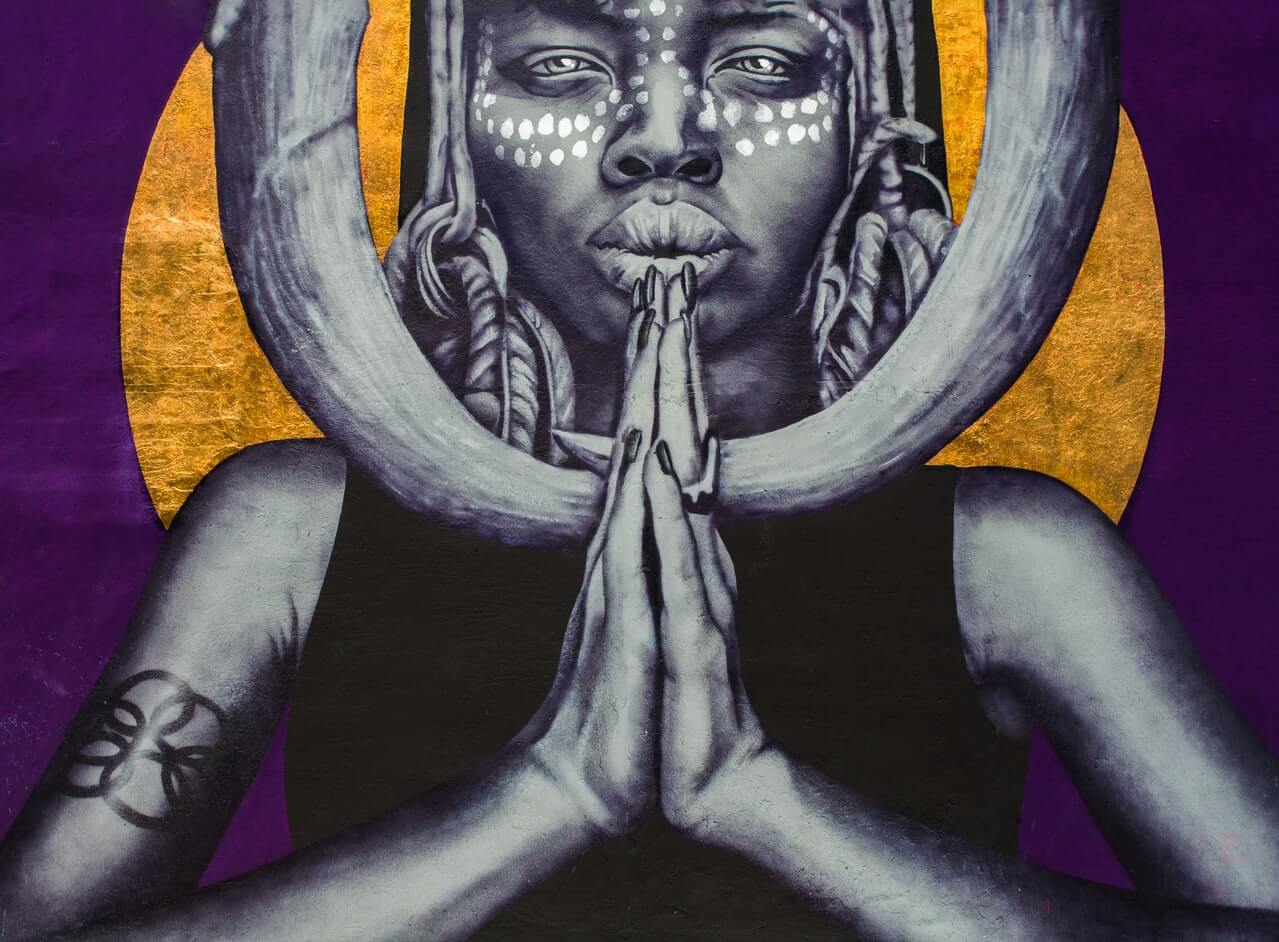
Art of Umzansi
-
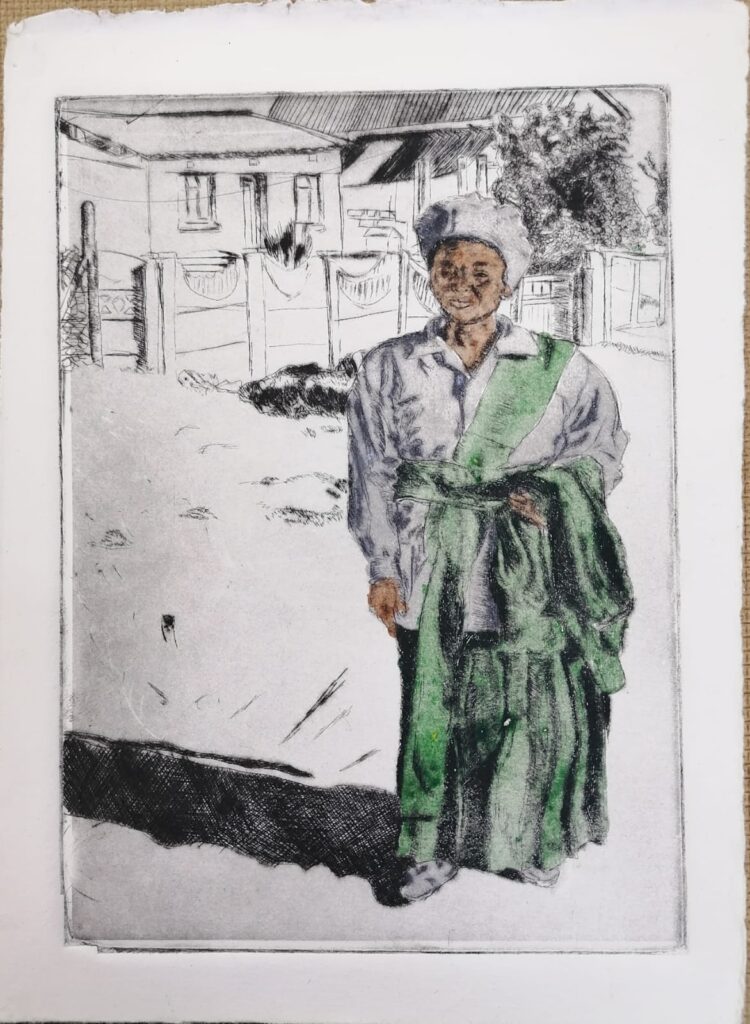
Umndeni Wami
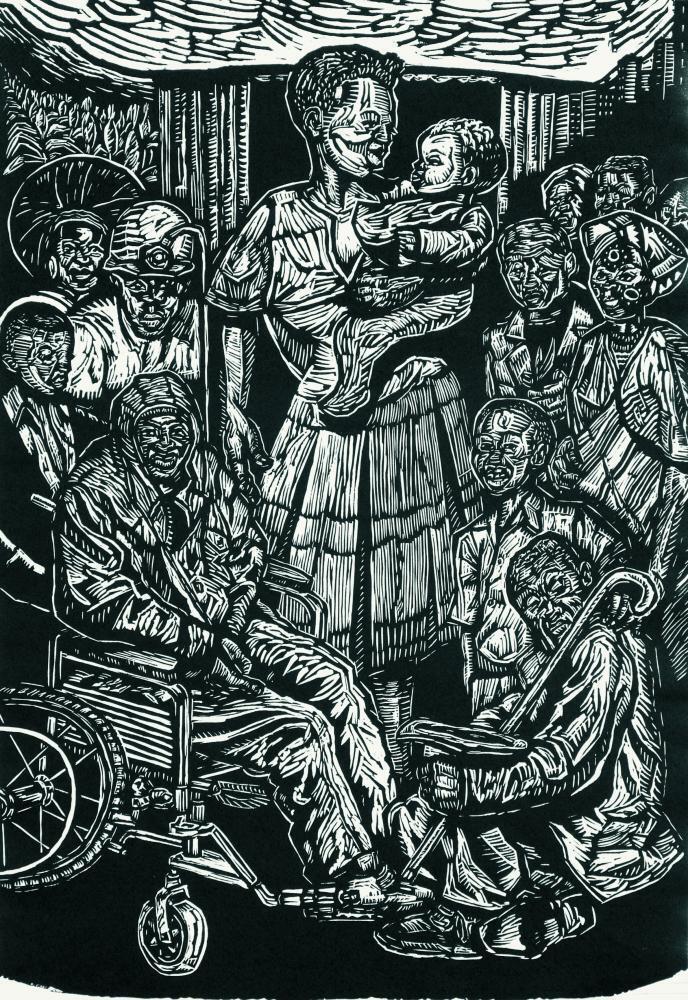
Non-white South Africans, especially Black families, were forced to live in segregated areas called townships, or in the case of rural areas, Bantustans (also known as homelands). The living conditions in these areas were extremely harsh. A family of eight might live in a small, poorly constructed house or a shack made from tin, wood, or other salvaged materialThese areas became hubs of activism, where grassroots movements formed to fight for better living conditions, political freedom, and civil rights. Organizations like the African National Congress (ANC), led by figures like Nelson Mandela, had a strong presence in these communities
Mayibuye i Afrika
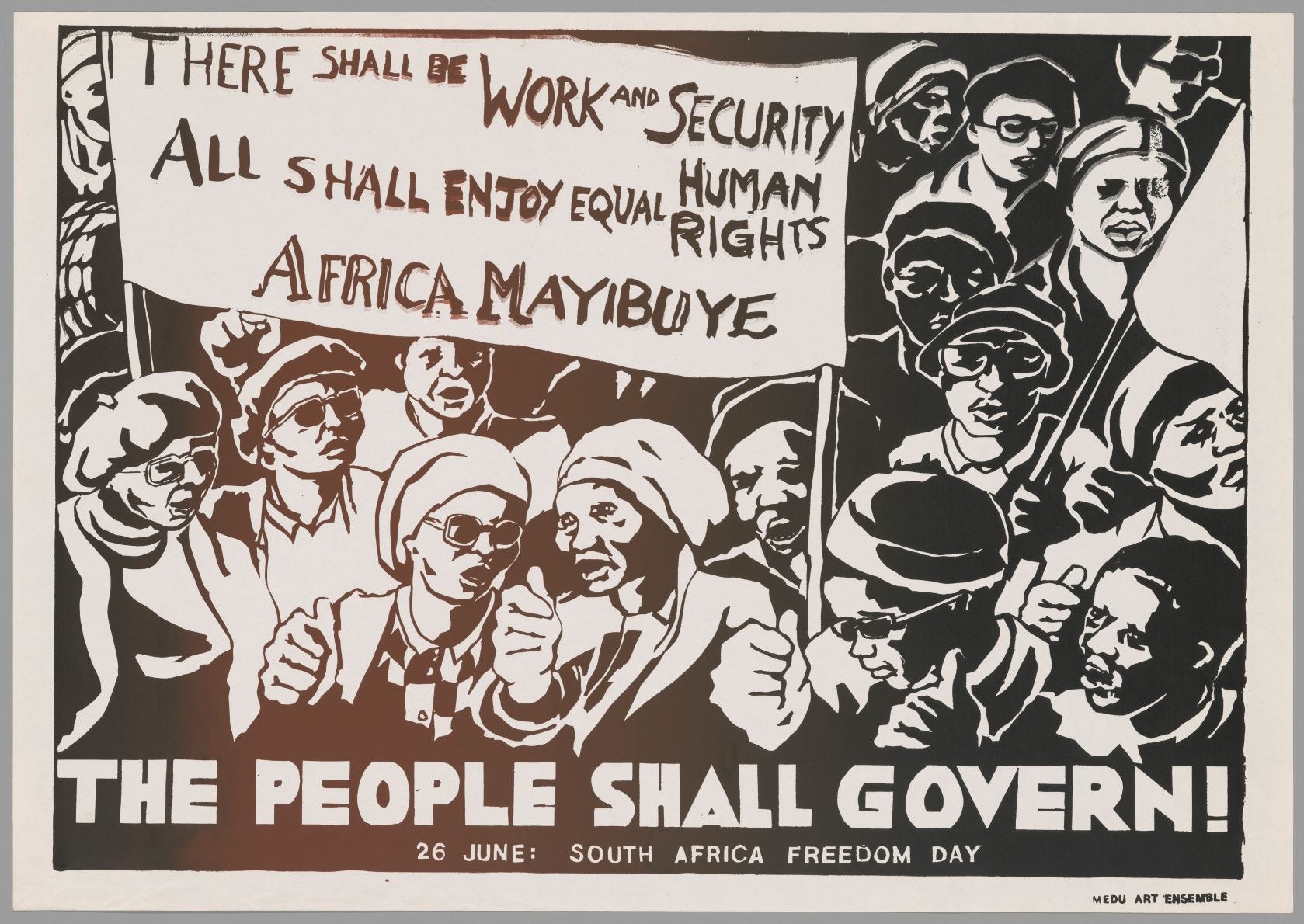
Art in the apartheid era (1948–1994) played a significant role in both reflecting and resisting the policies of racial segregation and oppression that defined South Africa during this time. Apartheid was a system of institutionalized racial segregation and discrimination, which had far-reaching effects on many aspects of life, including culture, art, and identity. The role of art in this period was multifaceted, serving as both a tool for government propaganda and a means of resistance, protest, and expression of the lived experiences of marginalized people.

They hang us and beat us for our forefathers lands “mayibuye i afrika”
— Sounds of the Voiceless
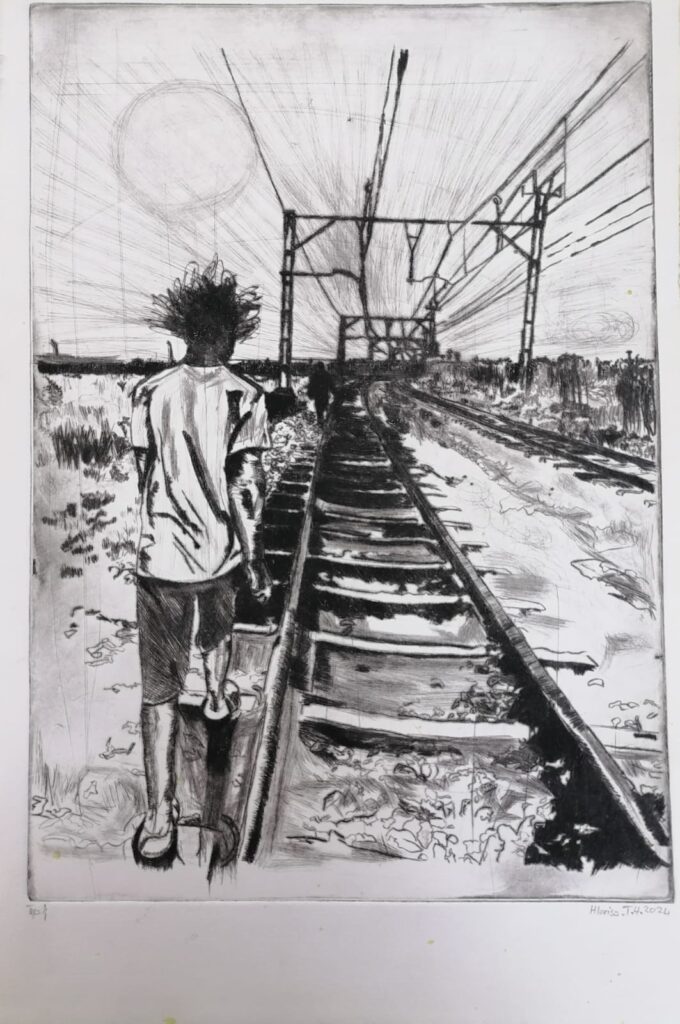
BY Sthibo the Artist
art by the malenated hands
Hands were whipped when we tried to wipe the tears on our fighters when they weeped